Contents
What you need Step 1 — Heat Step 2 — Form Step 3 — Cool Step 4 — Fit & adjust Practical tipsWhat you need
A Zhivon low-temperature thermoplastic splint sheet, a warm-water bath or heat source capable of reaching approximately 70°C, and the patient's limb prepared for molding. Always follow the product's instructions for use and applicable clinical guidance.
Step 1 — Heat
Heat the thermoplastic sheet to approximately 70°C until it becomes soft and pliable. Low-temperature material activates well below temperatures that would be uncomfortable for direct handling, but always verify the correct temperature for the specific product.
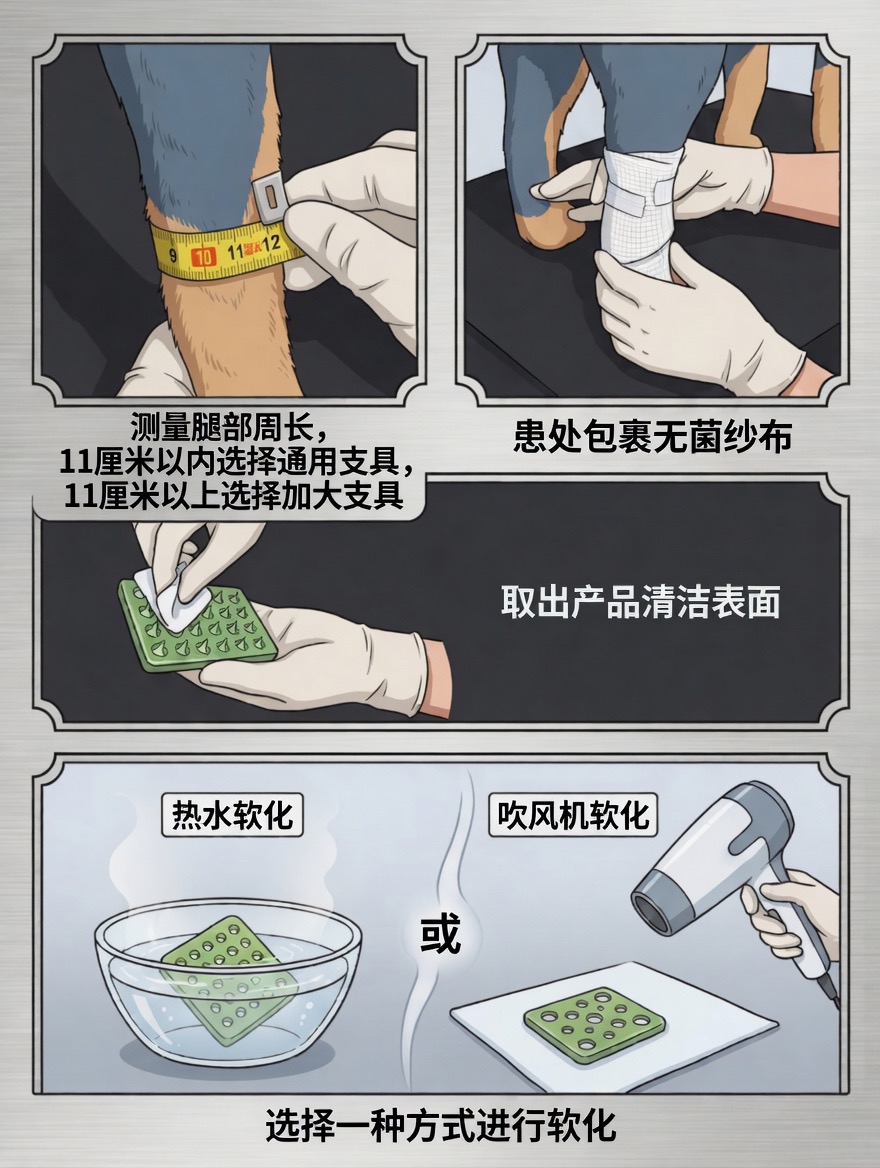
Step 2 — Form
Once softened, mold the sheet directly around the affected limb, working quickly while the material remains pliable. The material conforms to the individual anatomy for a custom fit.
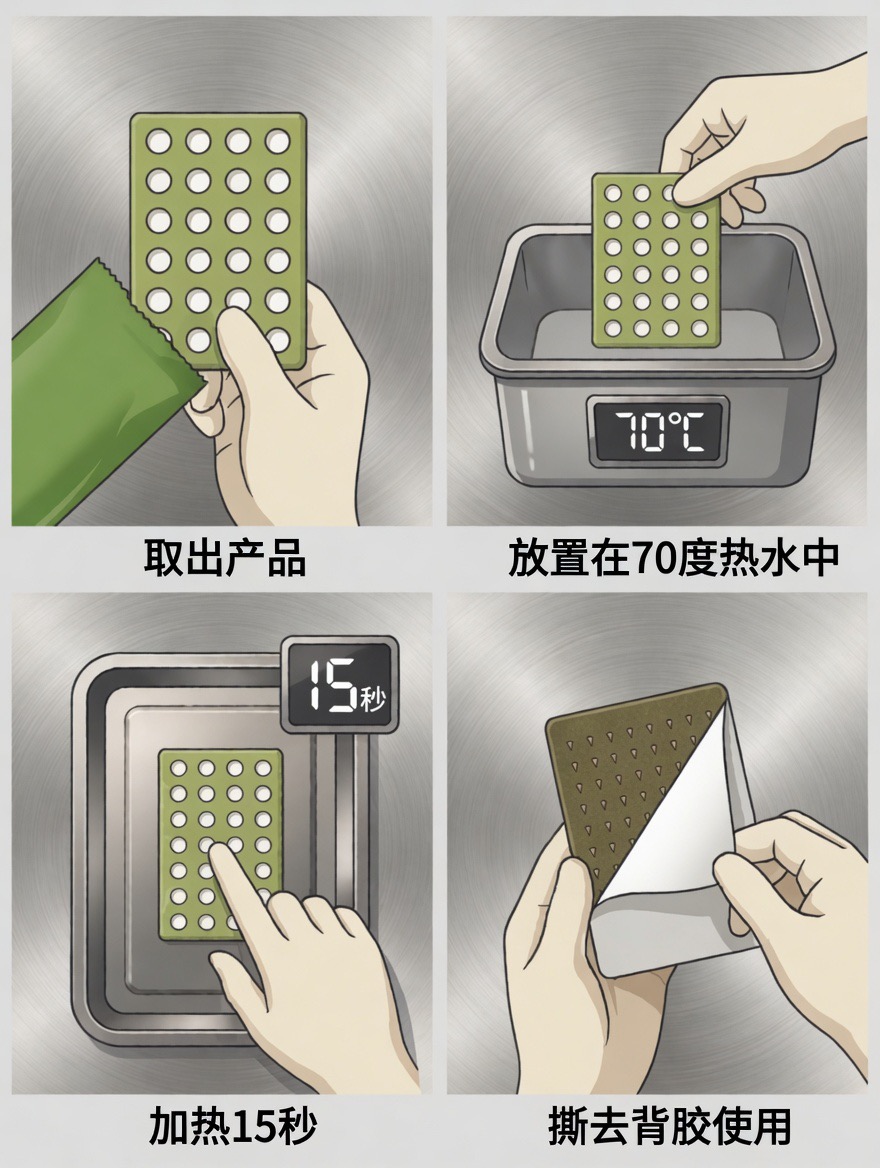
Step 3 — Cool
Hold the splint in position as the material cools and hardens into a rigid support structure. Cooling time depends on material thickness and ambient temperature.
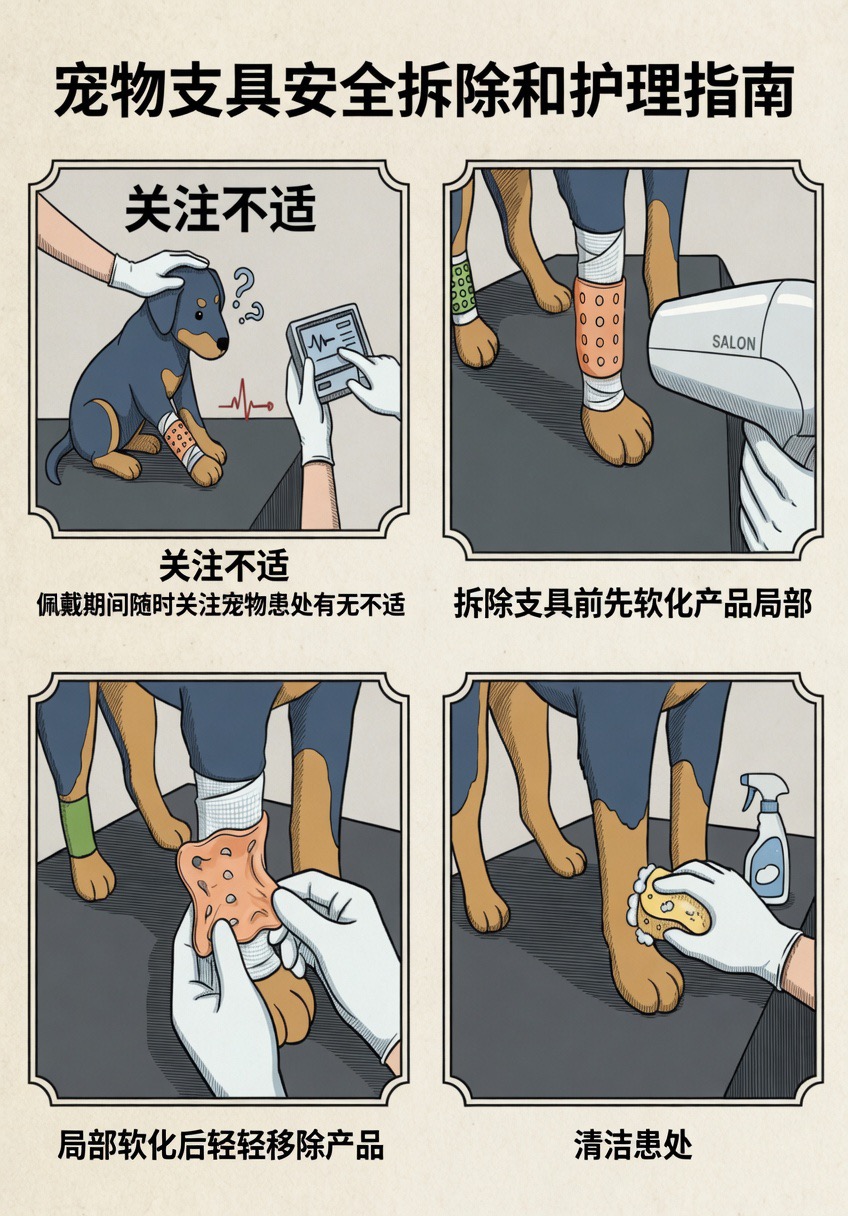
Step 4 — Fit & adjust
Once cooled, check the fit. Because the material is re-moldable, it can be re-heated and adjusted if the fit needs refinement as recovery progresses.
Practical tips
- Work while the material is warm and pliable.
- Re-heat to refine the fit rather than forcing an imperfect shape.
- Verify the recommended temperature and handling for the specific product.
Scope & limitations
This guide describes the general heat-form-cool-fit process. Specific temperatures, times and handling depend on the product model and should follow the product instructions for use and applicable clinical guidance. This article does not provide a clinical recommendation for any individual patient.
Related topics
How to Choose → Thermoplastic vs Conventional → Splinting Guide →